
As a concerned parent or caregiver, you may wonder, is febreze safe for babies? This comprehensive article delves into the potential risks and benefits of using Febreze, a popular air freshener, around infants and young children. We aim to provide you with a well-researched and unbiased analysis of the product’s safety in your home environment. By the end of this informative piece, you’ll have a clearer understanding of whether using Febreze is a suitable choice when it comes to ensuring the well-being of your little ones. Let’s explore the facts together and make informed decisions for the health and comfort of your precious babies.
What is Febreze?
Febreze is a widely recognized air freshener produced by Procter & Gamble. It is designed to eliminate odors and freshen the air, leaving a pleasant scent in its wake. The product comes in various forms, including sprays, plug-ins, and fabric refreshers, making it convenient for use in different areas of the home.
The Ingredients in Febreze
To understand the safety of Febreze for babies, it’s essential to examine its ingredients. Febreze formulations may vary, but common ingredients include:
Odor Eliminators: These substances target and neutralize unpleasant smells, such as amines, sulfur compounds, and acids.
Carrier Agents: These help disperse the product and ensure even coverage when sprayed.
Fragrance Agents: Synthetic fragrances are used to impart a pleasing scent to the air.
Emulsifiers: These help blend water and oil-based ingredients together.
Preservatives: Preservatives prevent microbial growth in the product.
Potential Risks for Babies
As with any household product, there are potential risks associated with using Febreze around babies:
Chemical Sensitivities: Babies’ developing respiratory systems may be sensitive to certain chemicals found in air fresheners, including those in Febreze. Some babies may experience respiratory irritation or discomfort when exposed to strong scents.
Allergic Reactions: Fragrance agents and other ingredients in Febreze could trigger allergic reactions in babies with sensitivities or allergies.
Asthma and Respiratory Issues: Babies with pre-existing respiratory conditions, such as asthma, may be more vulnerable to respiratory irritation from air fresheners.
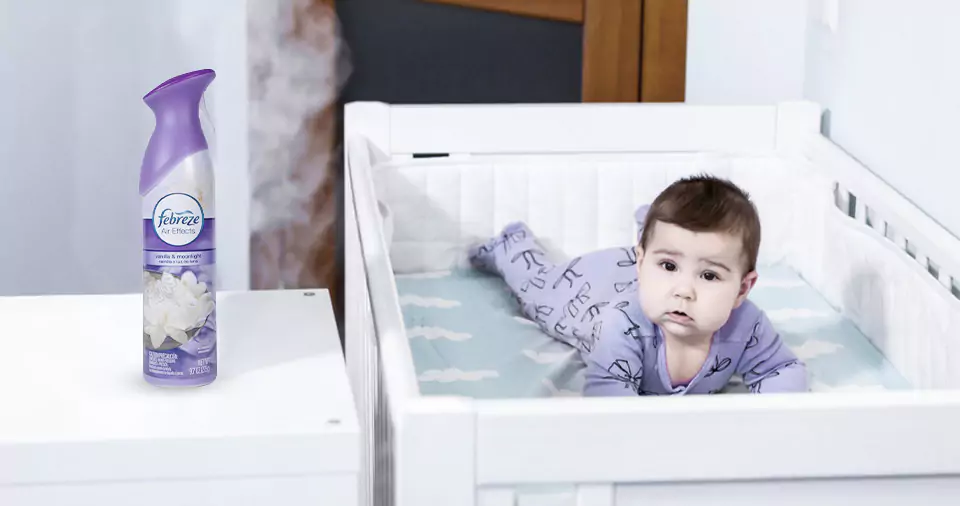
Ingestion Hazard: Babies are curious explorers, and there is a risk of ingestion if they come into direct contact with Febreze bottles or sprays.
Benefits of Using Febreze
While potential risks exist, there are also potential benefits to using Febreze:
Odor Elimination: Febreze effectively neutralizes and eliminates odors, creating a fresher environment in the home.
Convenience: The various forms of Febreze make it easy to use in different areas, such as the nursery, living room, or car.
Temporary Solution: Febreze provides a temporary solution for masking odors in situations where thorough cleaning or airing out the area is not immediately possible.
Tips for Safe Use Around Babies
To minimize potential risks and safely use Febreze around babies, consider the following tips:
Ventilation: Ensure proper ventilation when using Febreze. Open windows or use fans to allow fresh air circulation.
Test in Small Area: If you choose to use Febreze, perform a patch test in a small, well-ventilated area of the room before using it around your baby.
Choose Unscented Alternatives: Consider using unscented or natural alternatives to air fresheners if you have concerns about synthetic fragrances.
Keep Out of Reach: Always keep air fresheners, including Febreze, out of reach of babies and avoid direct contact with their skin or eyes.
Clean Regularly: Regularly clean and maintain your home to reduce the need for air fresheners.
Conclusion
In conclusion, the safety of using Febreze around babies depends on various factors, including individual sensitivities and pre-existing health conditions. While Febreze can provide odor elimination benefits, it’s essential to use it with caution and be mindful of potential risks. Parents should consider alternatives and prioritize good ventilation and cleanliness in their homes. Ultimately, the well-being of your baby is paramount, and making informed decisions about household products is a step towards creating a safe and comfortable environment for your little one.